Español
 العربية
 Francés
 Русский
 Português
 Italian
 Türk
Türk
 Bahasa Indonesia
 ไทย
ไทย

How to choose the right forklift for a business?
Choosing the right forklift involves matching load weight, lift height, environment, aisle width, usage intensity, and budget to the correct type, power source, and specifications. Below is a clear, step by step guide.
1. Define Your Core Operational Needs
Start by measuring your actual requirements:
Load weight & dimensions:
1–2 tons: Light goods (e.g., parcels, electronics) → compact electric models.
3–5 tons: General warehousing (most common) → counterbalance electric or LPG.
5+ tons: Heavy loads (steel, machinery) → diesel or large electric.
Lift height:
Standard racking: 3–6 m → 2 stage mast.
High racking: 6–12 m → 3 stage mast or reach truck.
Aisle width:
Wide aisles (≥3.5 m): Counterbalance forklift.
Narrow aisles (2.6–3.5 m): Reach truck.
Very narrow aisles (<2.6 m): VNA (Very Narrow Aisle) truck.
Indoor/outdoor use:
Indoor: Electric (zero emissions, quiet).
Outdoor: Diesel/LPG (strong power, refuel quickly).
Mixed: LPG or heavy-duty lithium ion.
2. Choose the Right Power Source
Compare internal combustion (IC) vs. electric.
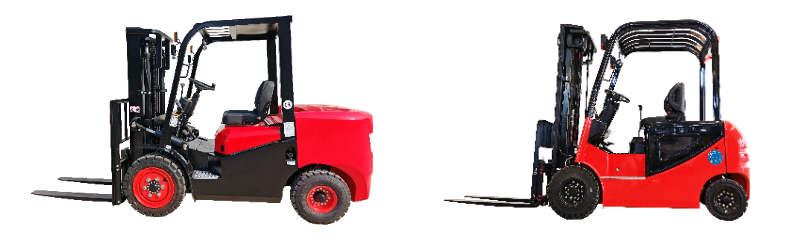
Internal Combustion (Diesel / LPG)
✅ Unlimited runtime, strong torque, works well on rough terrain and slopes.
✅ Diesel: Low fuel cost, ideal for ports, construction, and heavy industry.
✅ LPG: Cleaner exhaust, quieter, suitable for indoor/outdoor mixed use.
⚠️ High emissions, higher fuel cost (~$2.80–$3.50/hour), regular maintenance.
Electric (Lead acid / Lithium ion)
✅ Zero emissions, low noise, low running cost (~$0.30/hour).
✅ Best for food, pharmaceuticals, electronics, and indoor warehouses.
⚠️ Lithium ion: Fast charging (1–2 hours), long life, high upfront cost.
⚠️ Lead acid: Cheaper, slow charging (8–10 hours), shorter life.
3. Select the Right Forklift Type
Match the forklift design to your application.
Also you can see our another article: What is a Forklift? there is more detials.
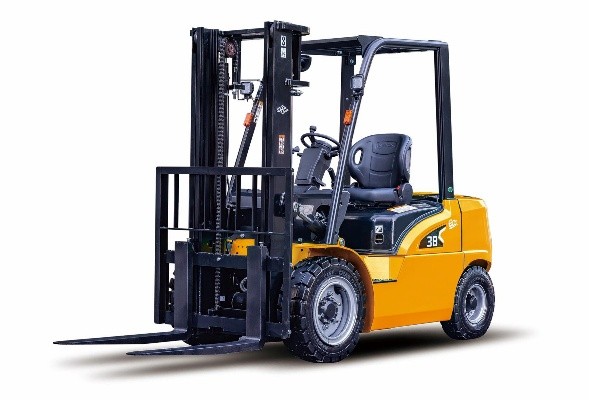
Counterbalance Forklift
Most common; suitable for indoor/outdoor, general loading/unloading.
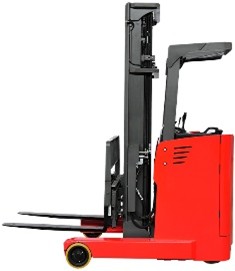
Reach Truck
Narrow aisles, high lifting (up to 12 m); electric only.
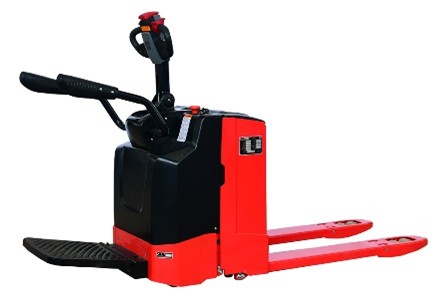
Pallet Jack (Electric/Manual)
Horizontal pallet movement; low cost, high efficiency.
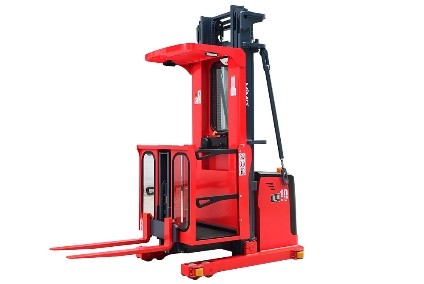
Order Picker
For high level order picking; operator platform rises with the forks.
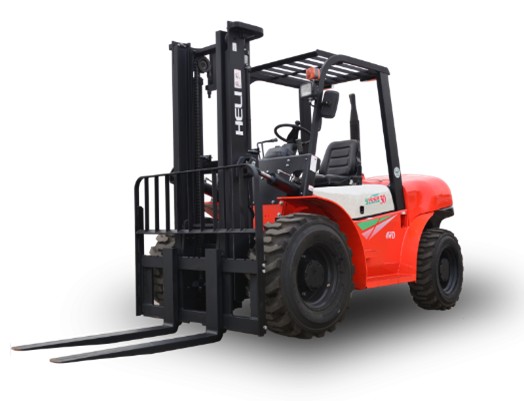
Rough Terrain Forklift
Pneumatic tires, 4-wheel drive; for construction sites, lumber yards.
4. Evaluate Usage Intensity & Total Cost of Ownership (TCO)
Low intensity (≤4 hours/day, single shift):
Budget electric or LPG; even good condition used models work.
High intensity (8–12 hours/day, multi shift):
Lithium ion electric or heavy-duty diesel; prioritize reliability and low downtime.
TCO breakdown:
Purchase price: 30–40% of total cost.
Fuel/electricity: 40–50% over 5 years.
Maintenance & repairs: 10–20%.
Downtime: Major hidden cost (choose reliable brands with local service).
5. Key Specifications & Options to Consider
Mast type: 2 stage (standard lift), 3 stage (high lift), free lift (for containers).
Tires: Pneumatic: Outdoor, rough surfaces.
Solid: Long life, puncture resistant. Smooth floors, indoor.
Attachments: Side shift, fork positioner, clamp, rotator (reduce need for multiple trucks).
Ergonomics: Adjustable seat, good visibility, intuitive controls (reduces operator fatigue).
Safety: Load backrest, overhead guard, reverse alarm, lights, fire extinguisher.
6. After Sales Support
Critical: Check local service network, spare parts availability, and response time.
Final Checklist Before Buying
1. ✔ Maximum load weight + 10% safety margin.
2. ✔ Maximum lift height + 0.5 m safety margin.
3. ✔ Aisle width matches forklift turning radius.
4. ✔ Power source fits indoor/outdoor and emissions rules.
5. ✔ Tires match floor/terrain conditions.
6. ✔ Attachments for special loads.
7. ✔ Budget includes TCO, not just purchase price.
8. ✔ Local service and parts support.
Forklift Type & Specification Comparison Table (For Business Selection)
Forklift Type | Load Capacity | Lift Height | Best Aisle Width | Power Source | Suitable Scene | Pros | Cons |
Counterbalance Forklift | 1.5–10 ton | 3–7m | ≥3.5m | Electric / LPG / Diesel | General warehouse, loading dock, indoor + outdoor | Universal, easy operation, strong adaptability | Takes more aisle space |
Reach Truck | 1.5–2.5 ton | 6–12m | 2.7–3.2m | Lithium/Lead-acid Electric | Narrow aisle high rack warehouse | Save warehouse space, high lifting height | Only for flat indoor floor |
Electric Pallet Jack | 1–3 ton | 0.2–0.3m | ≥2.2m | Electric | Short-distance pallet moving | Low cost, flexible, small size | Cannot lift high racks |
Order Picker | 1–2 ton | 4–10m | 2.8–3.5m | Electric | E-commerce warehouse, high-level goods picking | Operator lifts with goods, high picking efficiency | Not for heavy cargo stacking |
3–8 ton | 3–6m | ≥4m | Diesel | Construction site, yard, uneven ground | 4WD, strong climbing ability, anti-slip | High fuel consumption, not suitable for indoor |
Quick Selection Guide (3 Simple Rules)
Indoor warehouse, flat floor, save space → Choose Electric Reach Truck / Electric Counterbalance
Outdoor yard, rough ground, heavy cargo → Choose Diesel Rough Terrain Forklift
Small warehouse, only move pallets → Choose Electric Pallet Jack
Power Source Quick Pick
All indoor / Food / Pharmaceutical factory: Lithium-ion Electric (no emission, low noise)
Mixed indoor & outdoor: LPG Forklift
Outdoor heavy work / Port / Construction: Diesel Forklift