Español
 العربية
 Francés
 Русский
 Português
 Italian
 Türk
 Bahasa Indonesia
 ไทย

Applications of Small Loaders in Animal Husbandry
Modern animal husbandry is shifting from labor-intensive manual work to mechanized, efficient management. As a flexible, multi-functional piece of farm machinery, the small loader has become an indispensable workhorse for cattle, sheep, pig and poultry farms, especially for barns, pens and narrow passages where large tractors cannot operate smoothly.
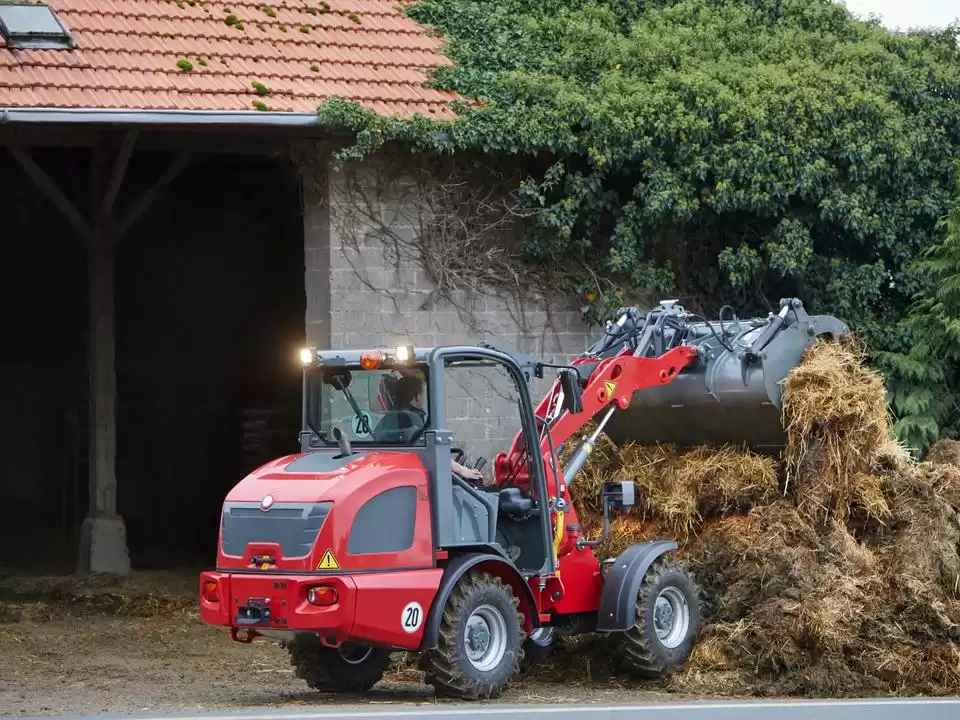
The biggest advantage of small loaders lies in their compact size and excellent maneuverability. With a small turning radius, they can easily travel along narrow barn aisles, enter low-height livestock houses, and pass through standard farm gates. Many models support quick switching of attachments, including standard buckets, bale grapples, straw forks, sweepers and manure scrapers. One machine can complete multiple daily tasks, greatly reducing the need for separate equipment and cutting farm investment costs.
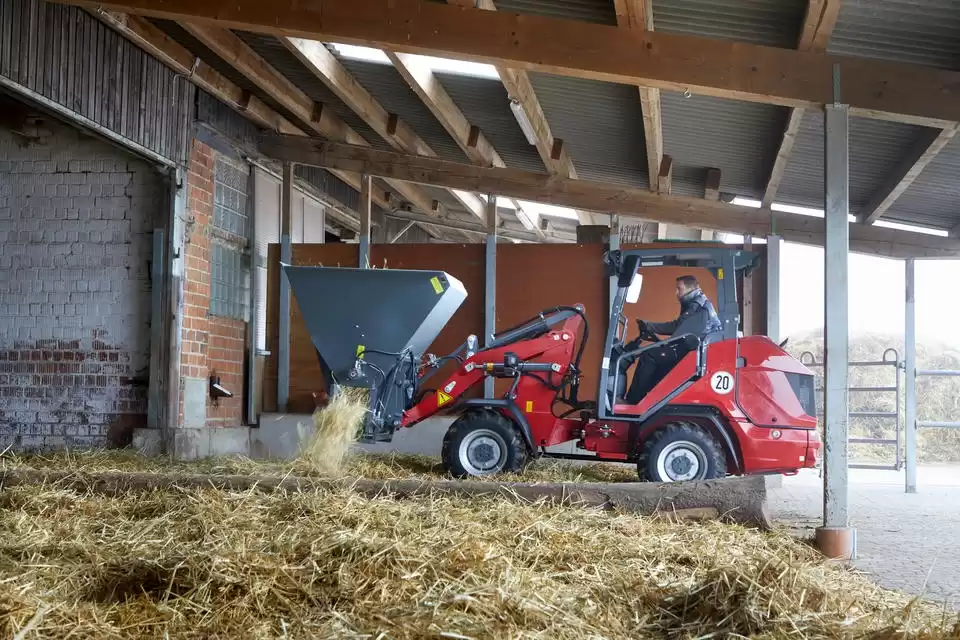
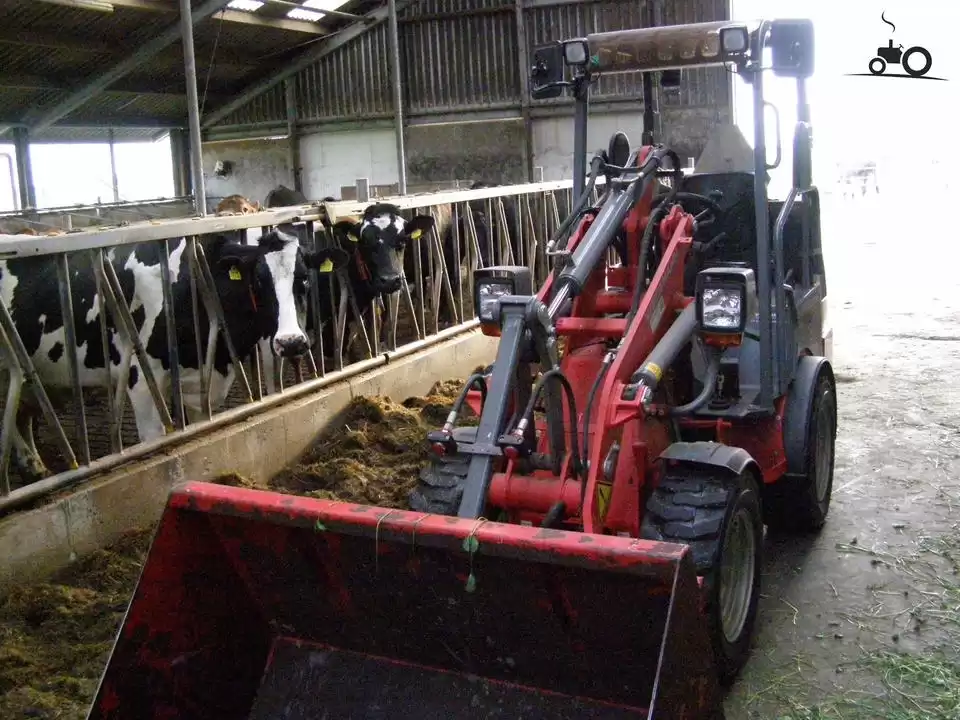
Feed handling and distribution are core daily applications. Equipped with bale forks or grapples, small loaders safely lift, transport and stack round or square hay bales, silage packages and bulk feed. Operators can push feed evenly along feeding troughs, deliver mineral supplements and feed bags, and load feed materials into storage silos. This replaces heavy manual carrying, speeds up feeding routines and ensures livestock get timely, stable supply of forage.
Barn sanitation and manure management are equally important. The loader bucket or manure scraper attachment collects manure, soiled bedding and waste in cattle barns, pig pens and poultry houses. It transports waste to compost piles or manure storage pits efficiently. Regular cleaning improves barn air quality, reduces bacteria and disease risks, and protects livestock health. Compared with manual shoveling, this method cuts labor time sharply and lowers the exposure of workers to dirty, harmful waste.
Small loaders also handle bedding preparation and farm maintenance. They move straw, sawdust, sand and other bedding materials, spread fresh bedding evenly across resting areas to keep pens dry and comfortable. Besides, they help with fence construction by hauling posts and tools, level farm yards, repair internal roads, and clear snow in winter. Electric small loaders are increasingly popular for indoor work because they produce no exhaust gas and run quietly, avoiding stress to animals and improving the working environment inside closed livestock buildings.
Compared with large loaders, small loaders feature lower fuel consumption, simpler maintenance and lighter ground pressure. They cause less soil compaction on pastures and farm yards. For small and medium-scale livestock farms, this means higher return on investment and flexible deployment all year round.
Safety remains a key point during operation. Operators should keep a safe distance from livestock, define working zones and use backup alarms and 360-degree visibility to prevent accidental injury to animals and staff. With proper training and standardized operation, small loaders can steadily boost overall farm productivity.
In conclusion, small loaders meet the diverse daily needs of modern animal husbandry: feeding, waste cleaning, bedding replacement and farm maintenance. As livestock farming continues to upgrade, this versatile machine will play a more important role in reducing labor intensity, improving sanitary conditions and raising economic benefits for livestock producers.